
- Our Team
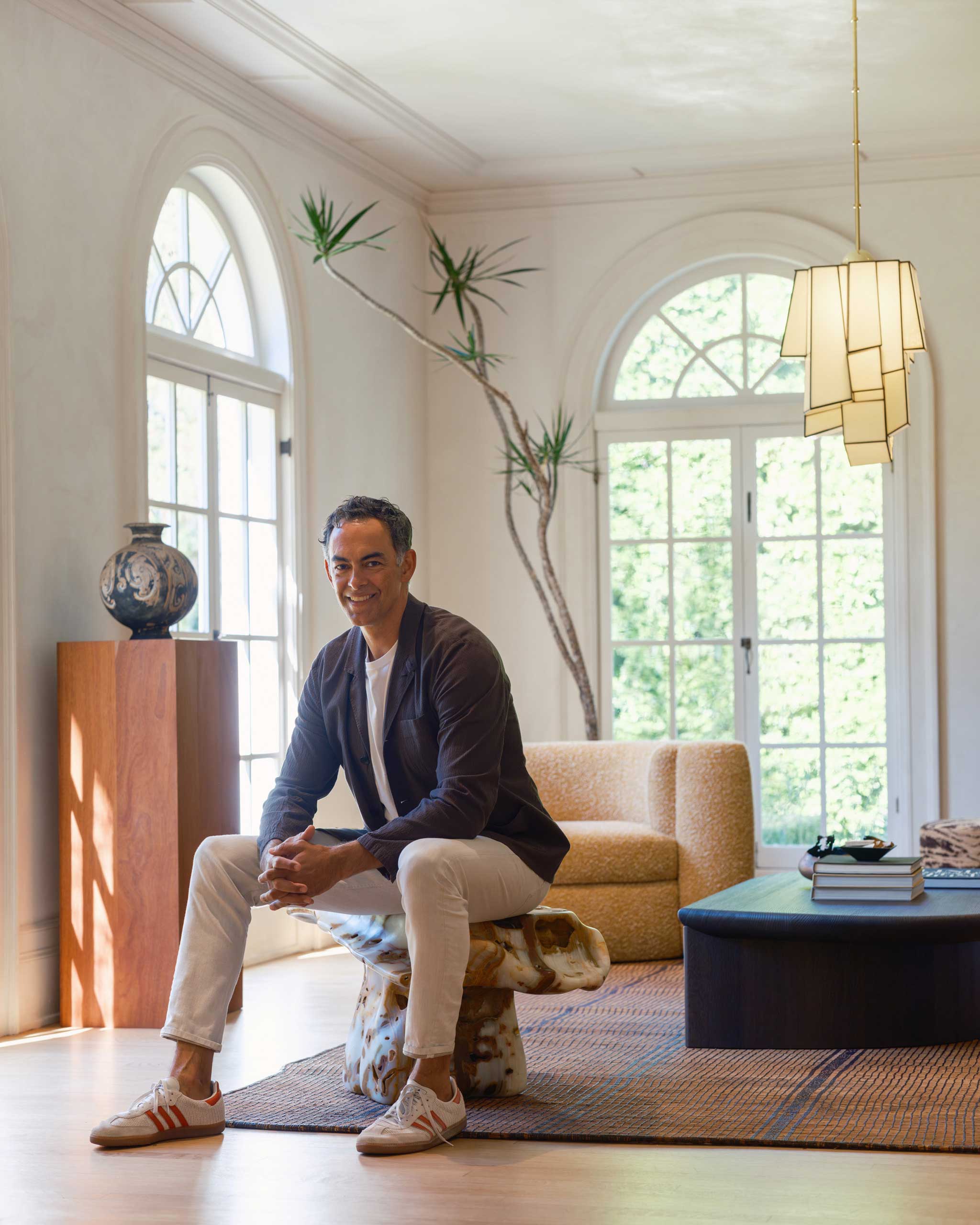
RIOS Creative Director Spotlight: Sebastian Salvadó
Sebastian Salvadó talks about architecture the way others might describe being in nature: as something felt before it’s understood. For the RIOS Creative Director, every residential project starts with immersion in a site’s unique conditions, including its topography, light, and how the land is engaged. His work dissolves boundaries between architecture, interiors, and landscape, designing homes that adapt to how people live.
Drawing from Latin American traditions, Salvadó transforms humble materials into refined and contemporary forms. California’s indoor-outdoor lifestyle informs his spaces, which favor warmth, texture, and materials that invite human touch. The result is homes that feel authentic, inviting, and connected to their surroundings.
In conversation, Salvadó shares insights on how design can form a timeless relationship between home and landscape.
Where do you find inspiration for the way you connect home, landscape, and craft?
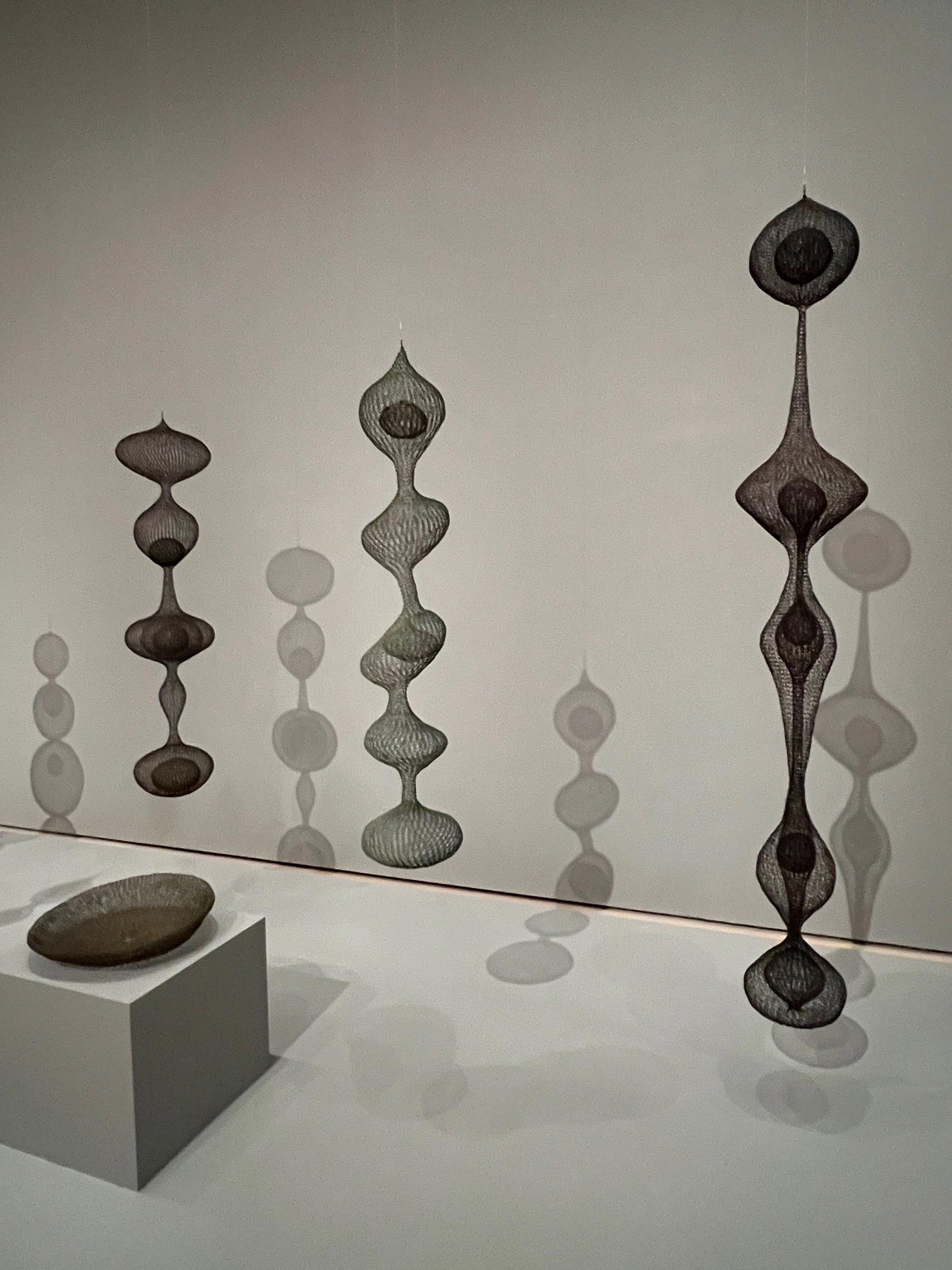
I draw a lot of inspiration from Latin America: the colors, textures, and honesty of materials, the way nature and architecture coexist. There’s a deep respect for craft there, and a willingness to use humble, low-tech materials in refined, modern ways. That combination of timeless and contemporary is something I carry into every project. It’s about creating homes that feel grounded yet forward-looking, familiar yet elevated.

Tell us about a current project that excites you?
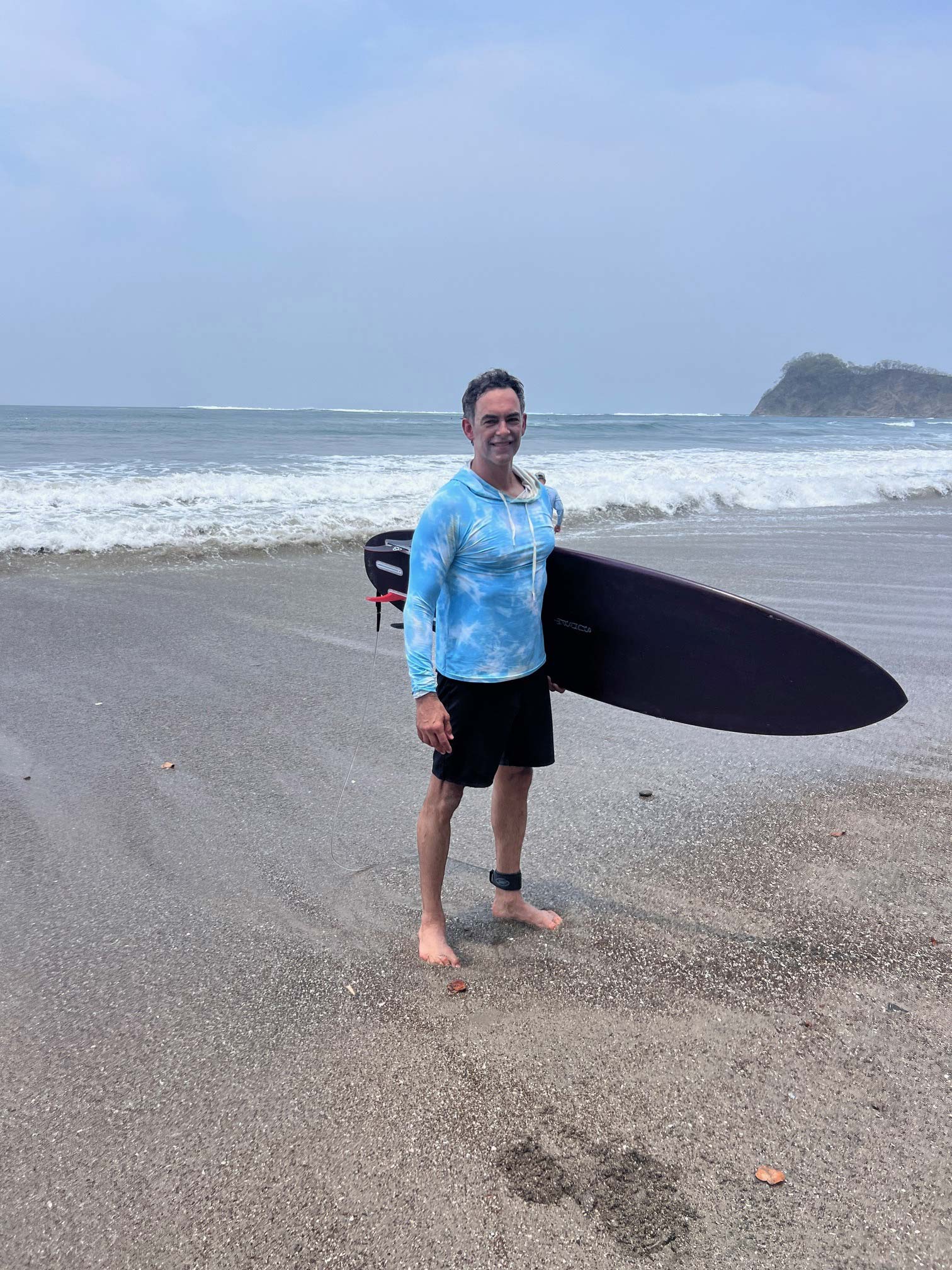
I’m always drawn to projects that bring people closer to the land and the rhythms of daily life. My inspiration comes from engaging with the outdoors, especially through surfing, where I’m completely immersed in the movement of the ocean. That feeling of being in the wilderness translates directly into architecture.
A current project in Santa Monica Canyon embodies this. The site has an incredible history tied to bohemian and artistic culture, and it naturally invites indoor-outdoor living. We’re designing the home around wellness and connection to the landscape. Terraces, deep overhangs, and organic materials allow it to sit comfortably within its hillside setting. The goal is to create spaces that feel grounded, calm, and deeply connected to place, much like being in the ocean.
You’ve worked on both intimate residences and large-scale urban projects. How does that dual experience shape your perspective?
Working across scales keeps you honest. Designing homes teaches you how people live—what brings them comfort, what connects them to place. Designing public or commercial projects expands that thinking to communities. Both are about creating environments that support life in meaningful ways, whether it’s a family’s daily rituals or a neighborhood’s shared public space. The lessons from one inform the other: residential work benefits from the civic scale’s sense of openness, while urban projects are enriched by the intimacy of home.
What trends are you seeing in residential design today?
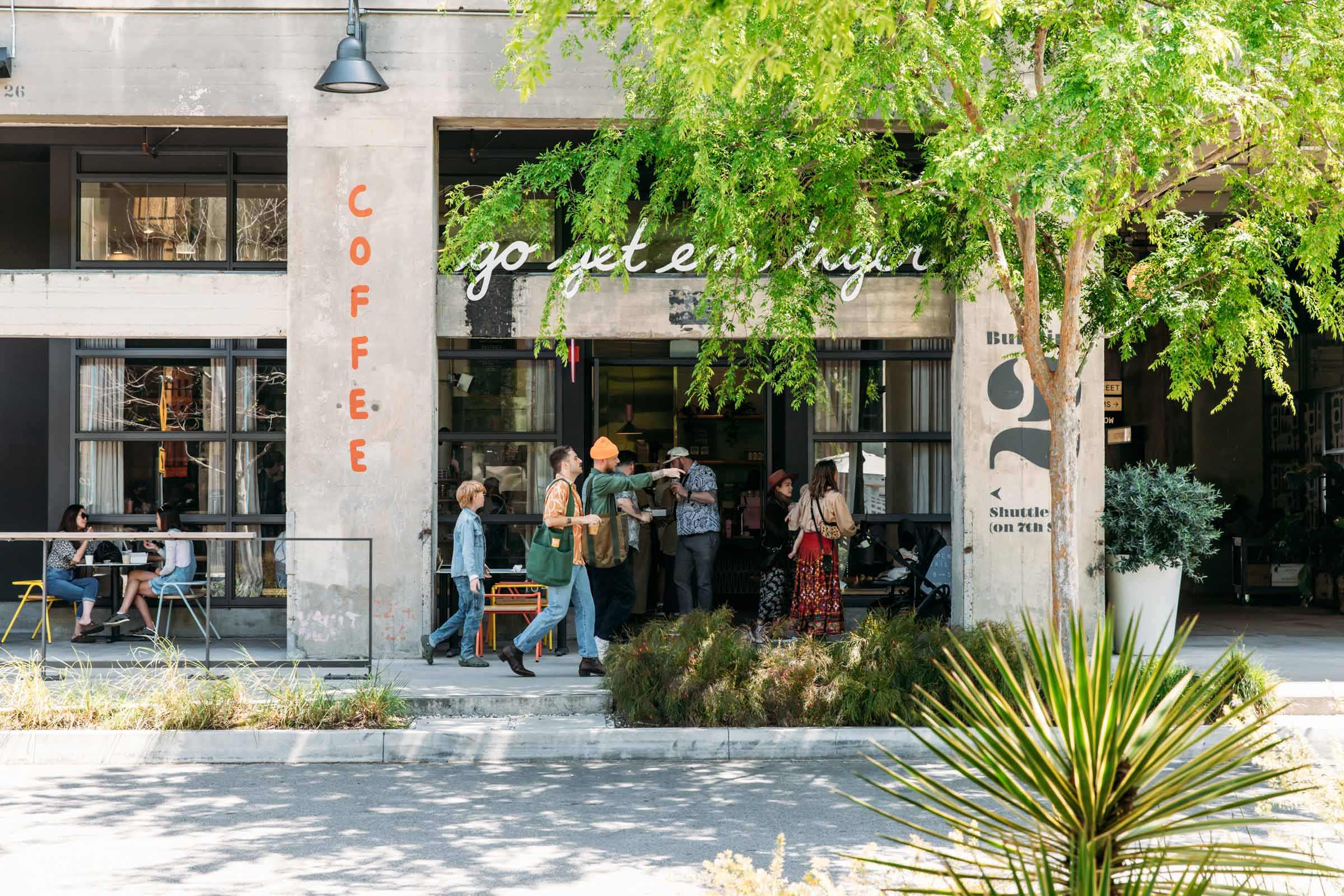
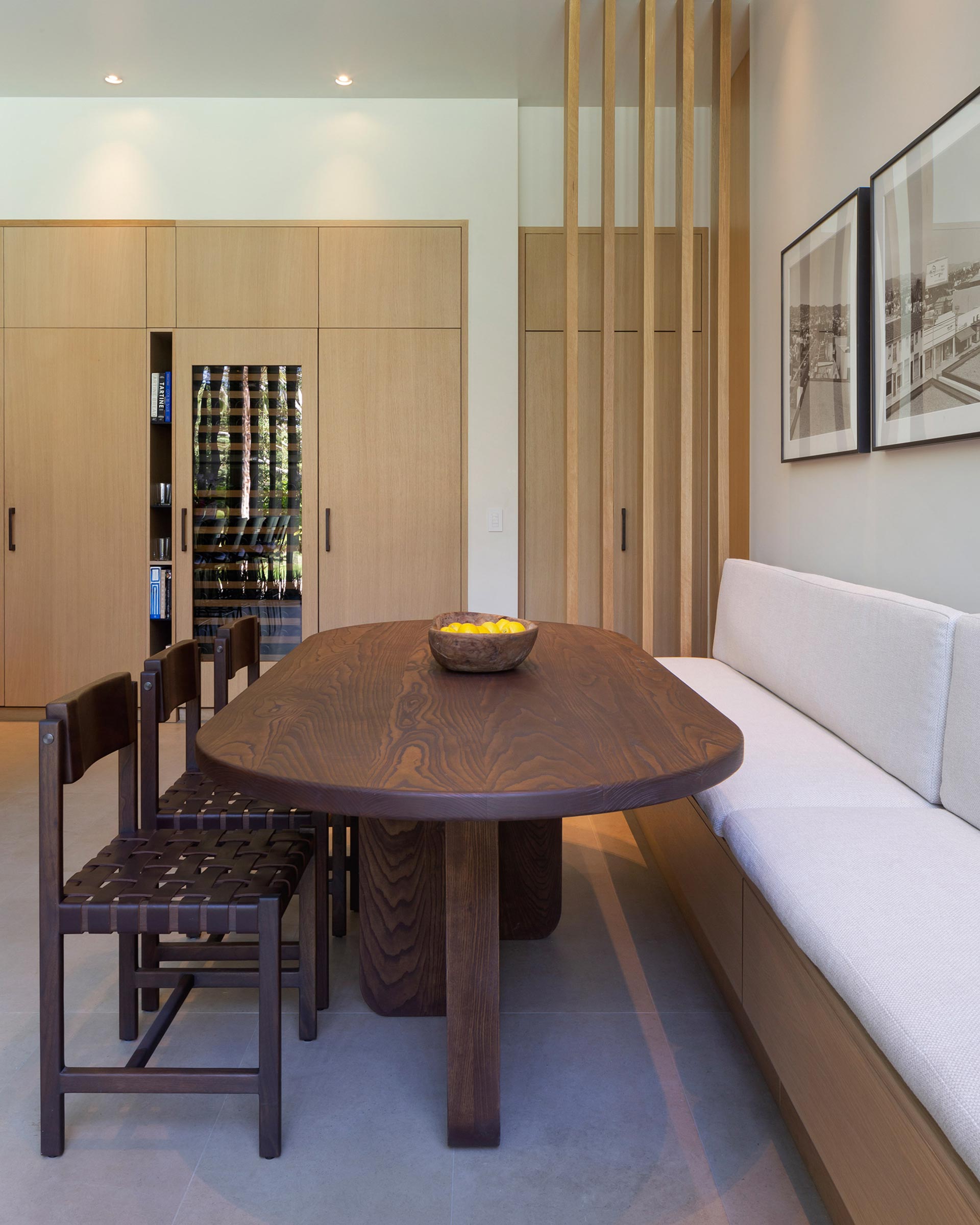
Homes are becoming complete ecosystems: places where we work, rest, play, and recharge. The home now supports every facet of our lives, and that’s shifting priorities toward flexibility, daylight, and access to nature. There’s a renewed love for spaces that feel tactile, natural, and emotionally calm. You see it in the return of warm materials like travertine, terracotta, and soft neutrals. It’s less about perfection and more about authenticity.
Are there materials you find yourself gravitating towards right now?
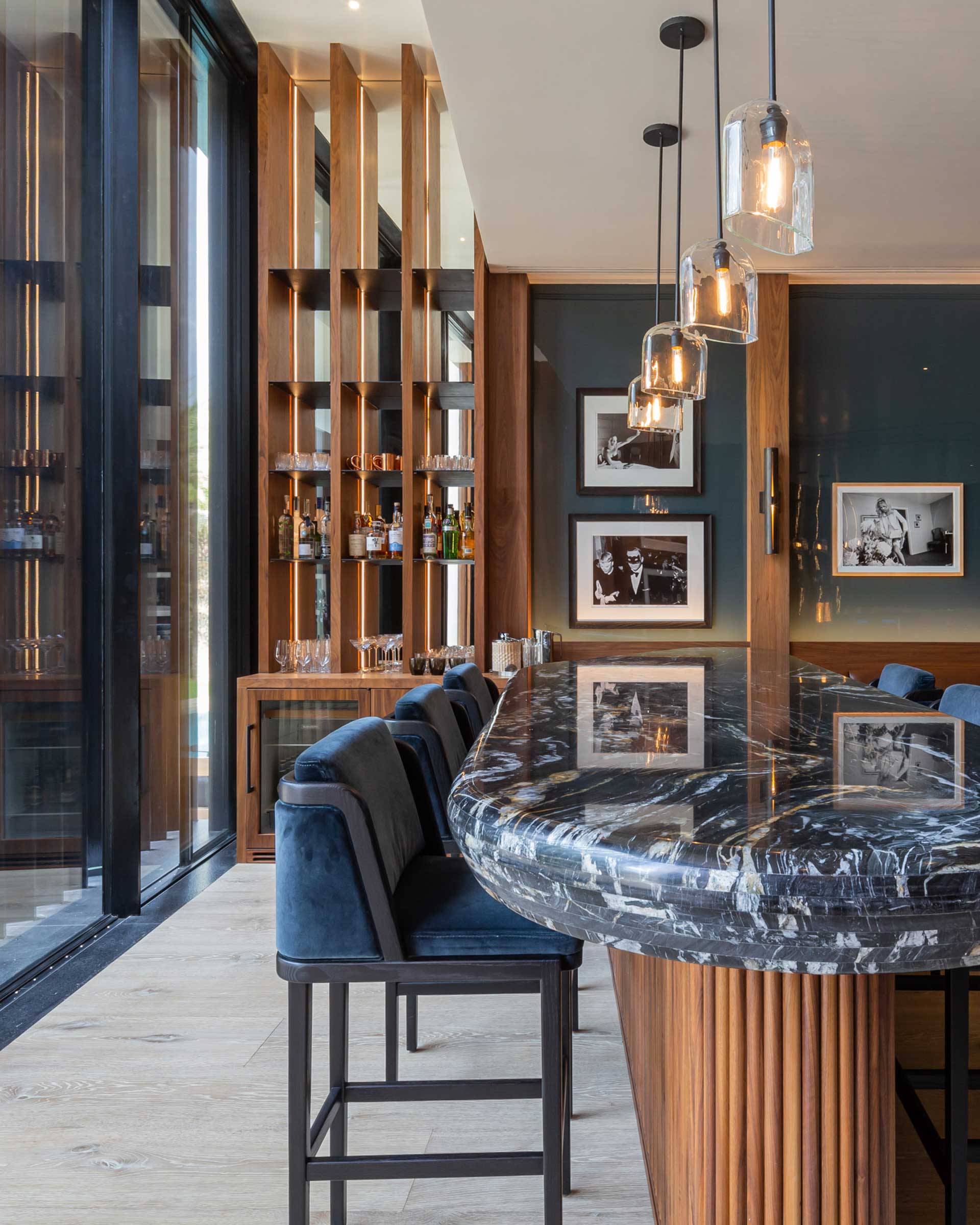
I’ve recently been rediscovering Brazilian marbles, their incredible color and pattern, and the cultural richness behind how they have been used. I’m also drawn to bespoke ironwork, inspired by Japanese and Scandinavian traditions. Both have this tactile quality: they’re materials that beg to be touched. They bring warmth and craftsmanship into modern architecture in a way that feels deeply human.
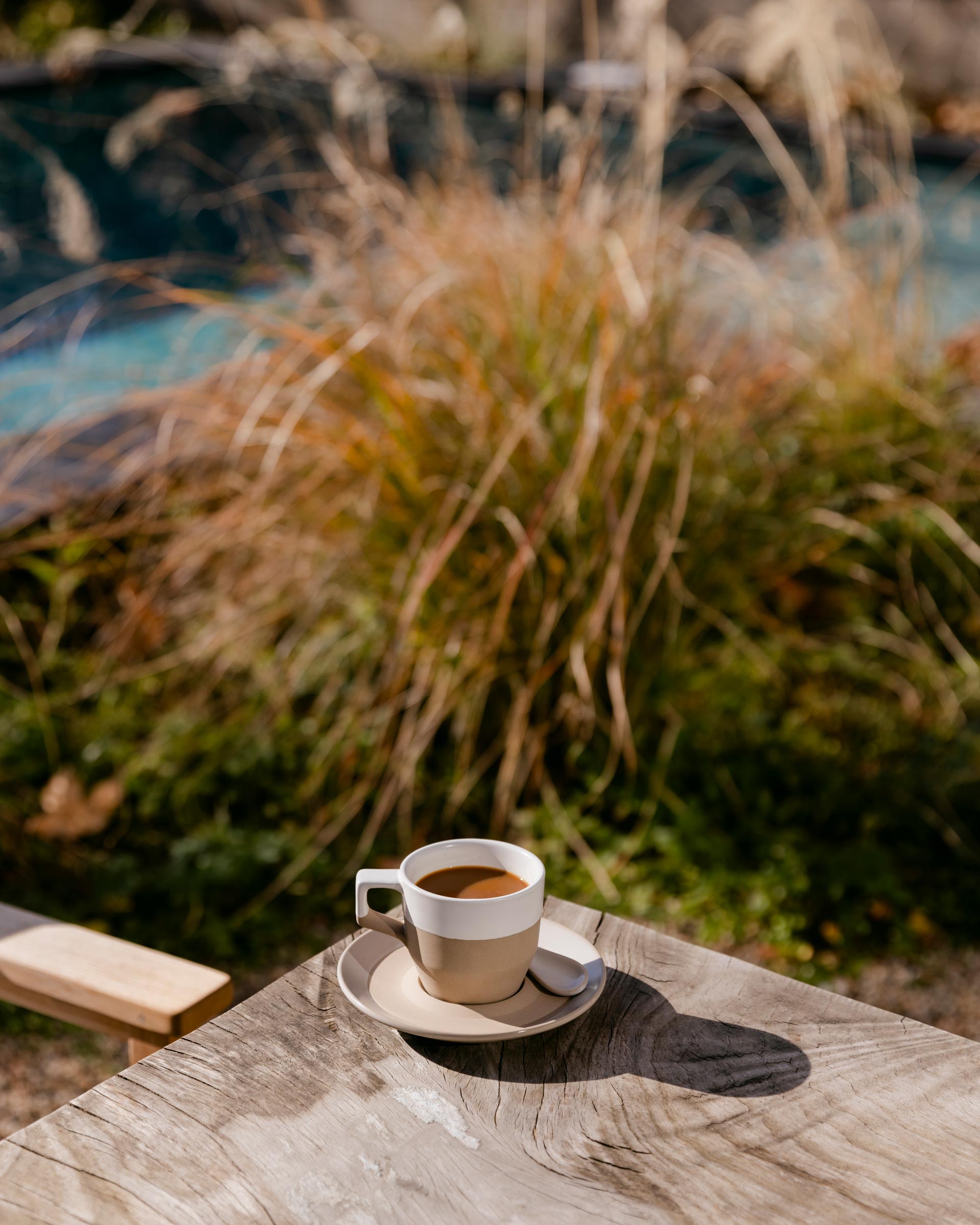
What advice would you give someone dreaming of building their ideal home?
Be critical about the spaces you really need so you can give more back to the land. Homes that leave room for gardens, light, and outdoor living feel more alive. Every space should have a purpose and a connection to the landscape, because when the home breathes in its surroundings, life inside it feels richer and more grounded.
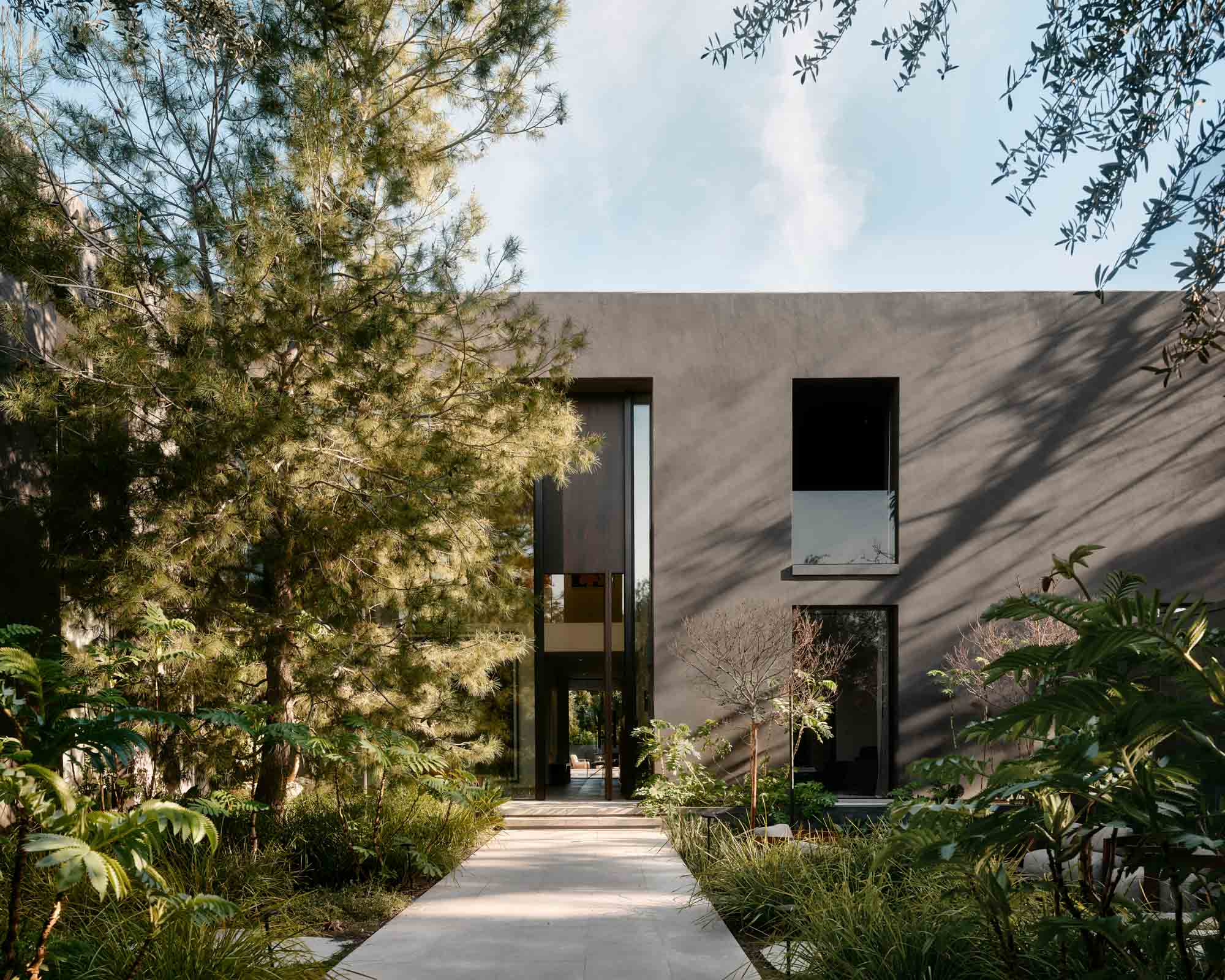
Where do you see residential design heading, and how does RIOS’ interdisciplinary approach shape that future?
Residential design is moving toward a deeper integration of architecture, landscape, and interiors. The boundaries between them are dissolving, which allows us to design more holistically—homes that respond to climate, craft, and the rituals of living. At RIOS, that’s our strength: every project begins with collaboration across disciplines. We think about how light, material, and planting interact from the very start, creating spaces that feel effortless, unified, and truly connected to their environment.
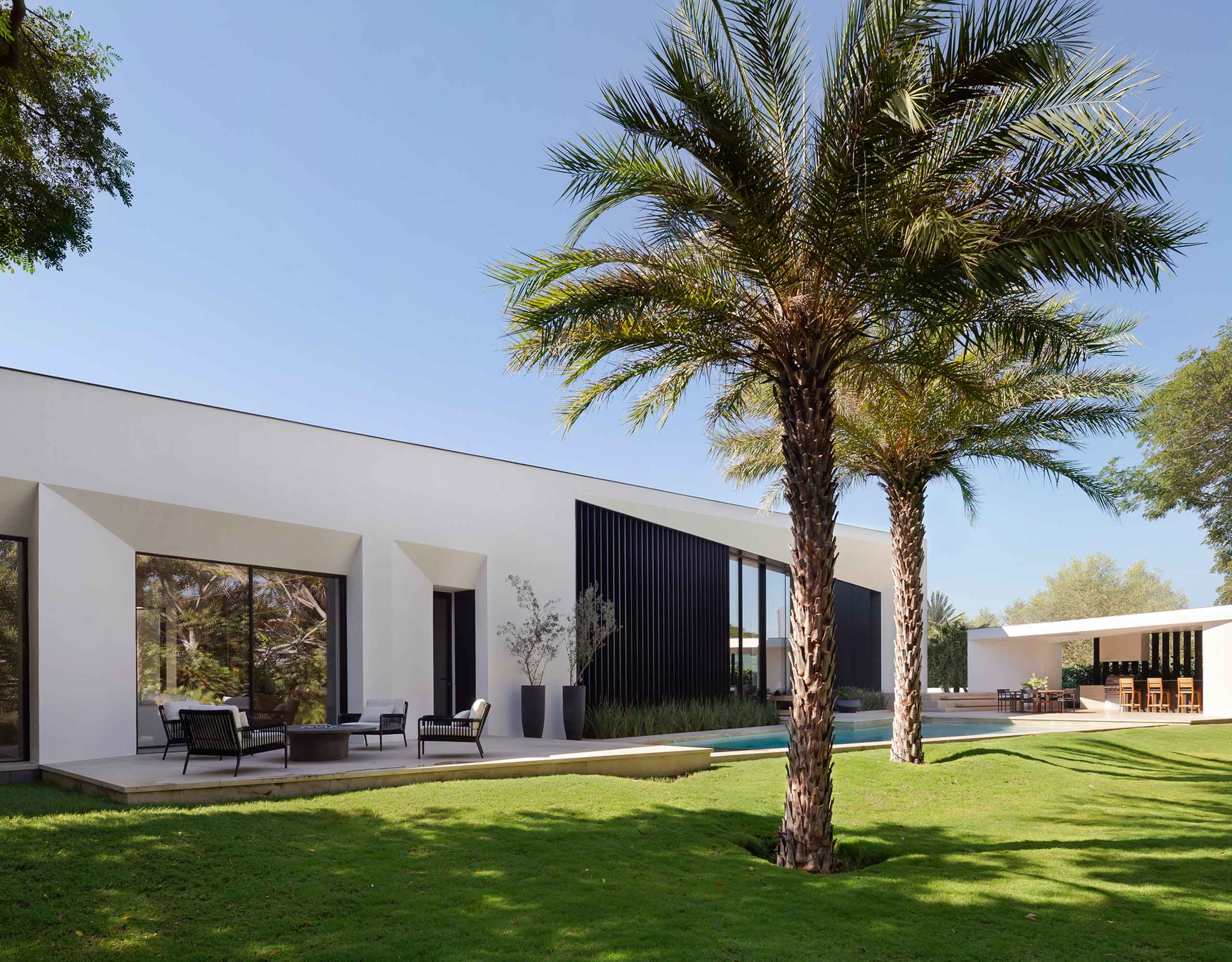
RIOS has been named to the Forbes 2026 America’s Best-in-State Residential Architects list.
Our approach brings architecture, landscape, and interiors together to shape how a home is lived and experienced. This recognition reflects the care, creativity, and collaboration our teams bring to designing homes for our clients that feel personal and distinctly of their place.
Thank you to @Forbes, and to our clients, collaborators, and teams who continue to shape this work with us.


How do you make a narrow lot feel expansive?
Ocean Breeze House transforms a constrained site near Venice Beach into a sequence of connected spaces that feels both open and private. Inspired by the laid-back beachside lifestyle, the home extends living outdoors.
Swipe to go behind the design.
#venicebeach #homedesign #architecture #behindthedesign

Coastal living with ocean views, soothing sounds, and warm interiors that seamlessly connect with the landscape.
Contractor: @hillconstructioncompany
#oceanside #homedesign #waterfronthomes #architecture #landscapearchitecture

Sunset House - from model to reality.
#homedesign #architecturemodel

Ocean views are the star of this home in an exclusive coastal neighborhood, framed from every room. The landscape extends toward the cliffside, bringing you closer to the water.
Contractor: @hillconstructioncompany
#oceanviews #homedesign #residentialarchitect

Two RIOS residences are featured by @archinect, exploring different expressions of indoor-outdoor living.
Slot Canyon, set at the foothills of the San Jacinto Mountains, is organized as a series of pavilions connected by bridges and arroyos that draw the desert landscape through the home. A floating roof unifies the architecture, framing mountain views and shifting light throughout the day.
Santa Monica House takes a more intimate approach, creating a private retreat centered on family, nature, and wellness. Lush courtyards and mature pines define spaces for gathering, with architecture shaped to keep the landscape continuously in view.

It`s kinda chic to design a home around the things you love.
#kindachic #homedesign

How do you create an indoor-outdoor home in a climate that’s too hot to be outside most of the year?
RIOS Partner Sebastian Salvadó shares the design insights behind Sunset House in Northwest Mexico, where the home’s orientation, shaded microclimates, and captured landscapes keep nature present in every space.
#homedesign #designprocess #hometour #architecture

Loma Vista Residence reimagines the character of an English manor garden that captures the luxury of outdoor living in Los Angeles.
Organized as a series of interconnected garden rooms, the one-acre landscape creates a variety of settings for gathering, retreat, and exploration, united by a rich tapestry of regionally appropriate and native planting. The design transforms the estate into an immersive natural experience that evolves with the seasons.
#estate #landscapearchitecture
