
- Our Team
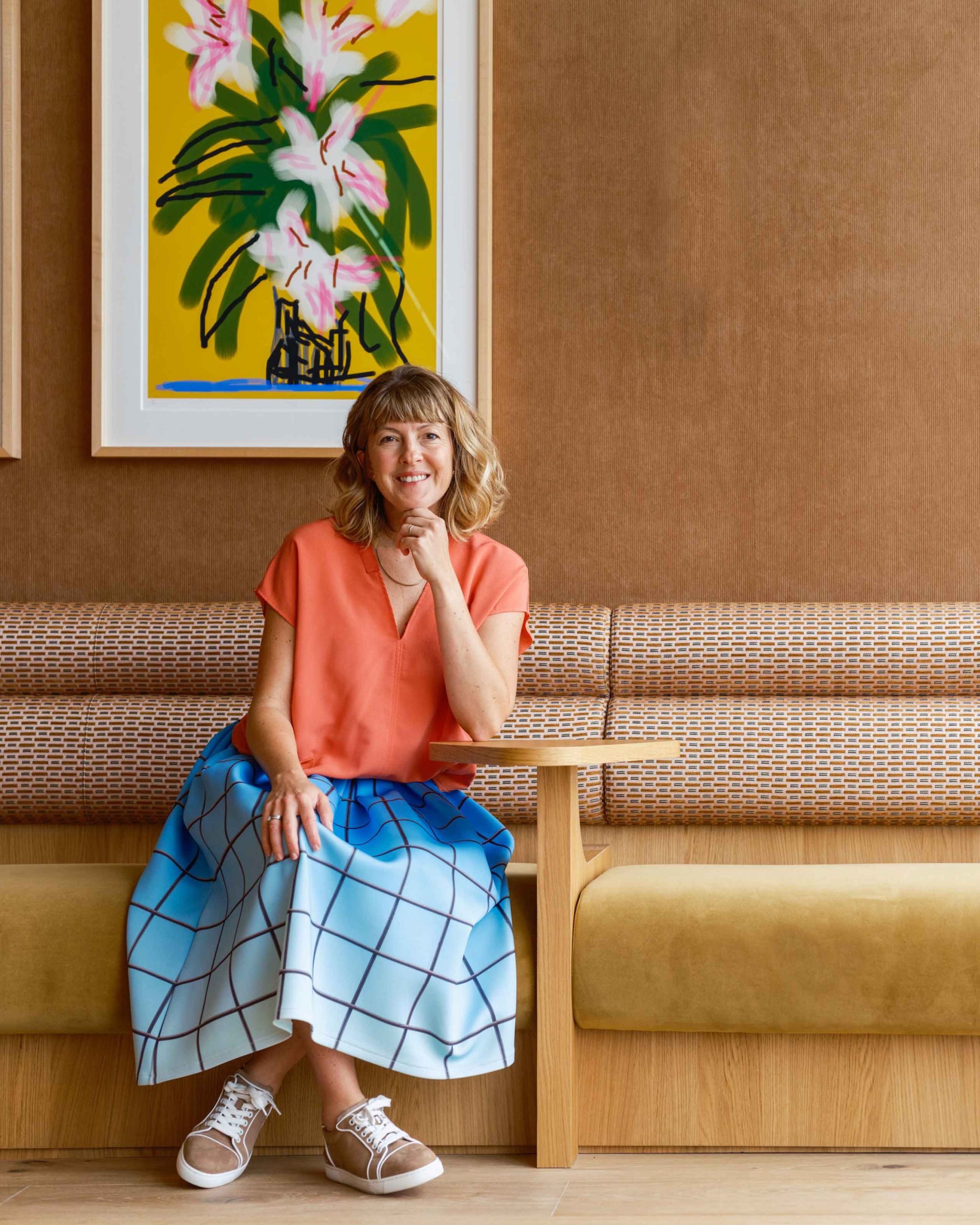
RIOS Creative Director Spotlight: Melanie Freeland
Creative Director Melanie Freeland guides RIOS’ residential practice with the belief that homes should inspire joy, discovery, and connection. Bringing together the worlds of architecture and interior design, she approaches each project holistically—shaping spaces that honor materiality, light, and the layered stories of place.
Her collaborations with renowned artists inform her belief that design, like art, can transform how we see and experience home. Guided by an artist’s sensitivity, Melanie brings warmth and humanity to her work, revealing moments of playfulness and wonder that make a home feel truly lived in. Her collaborative process celebrates creativity, context, and the everyday moments that bring spaces to life.
In conversation, she reflects on her early fascination with space and how to design homes that evolve with the people who live in them.
How did you discover your path to architecture?
I was always fascinated by how spaces come together. Growing up in a big farmhouse in Missouri, I’d spend hours in the backyard making “leaf homes”, raking outlines for rooms and imagining how people might move through them. That early curiosity about spatial relationships never left me.
At Kansas State University, I started in a multidisciplinary program studying landscape, architecture, and interiors. I loved the connection between design and living, but by my sophomore year, I knew architecture was the right fit for me. That integrated foundation—understanding how all the disciplines work together—still shapes how I approach residential design today.

How have your collaborations with artists shaped your residential work?
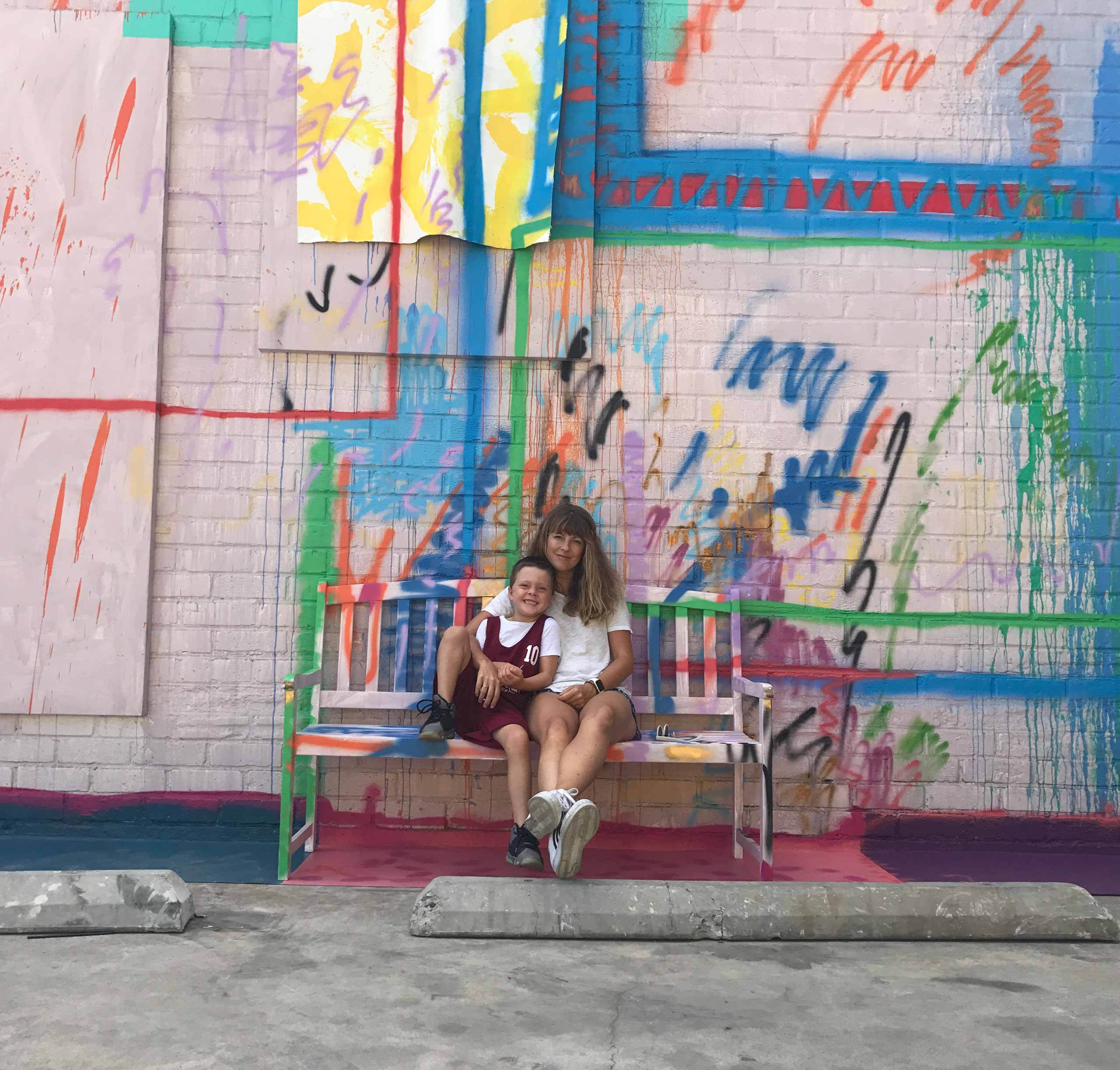
Working with artists like Sol LeWitt and James Turrell has been one of the great privileges of my career. It’s shown me how art can transform a space, sometimes subtly, sometimes profoundly, and how it invites people to see and feel differently. Every home has that same potential for immersion and reflection. Art allows for emotion, nuance, and surprise, and I carry that sensibility into residential design. A home should do more than function well—it should move you.
What do you find most inspiring about working at RIOS?
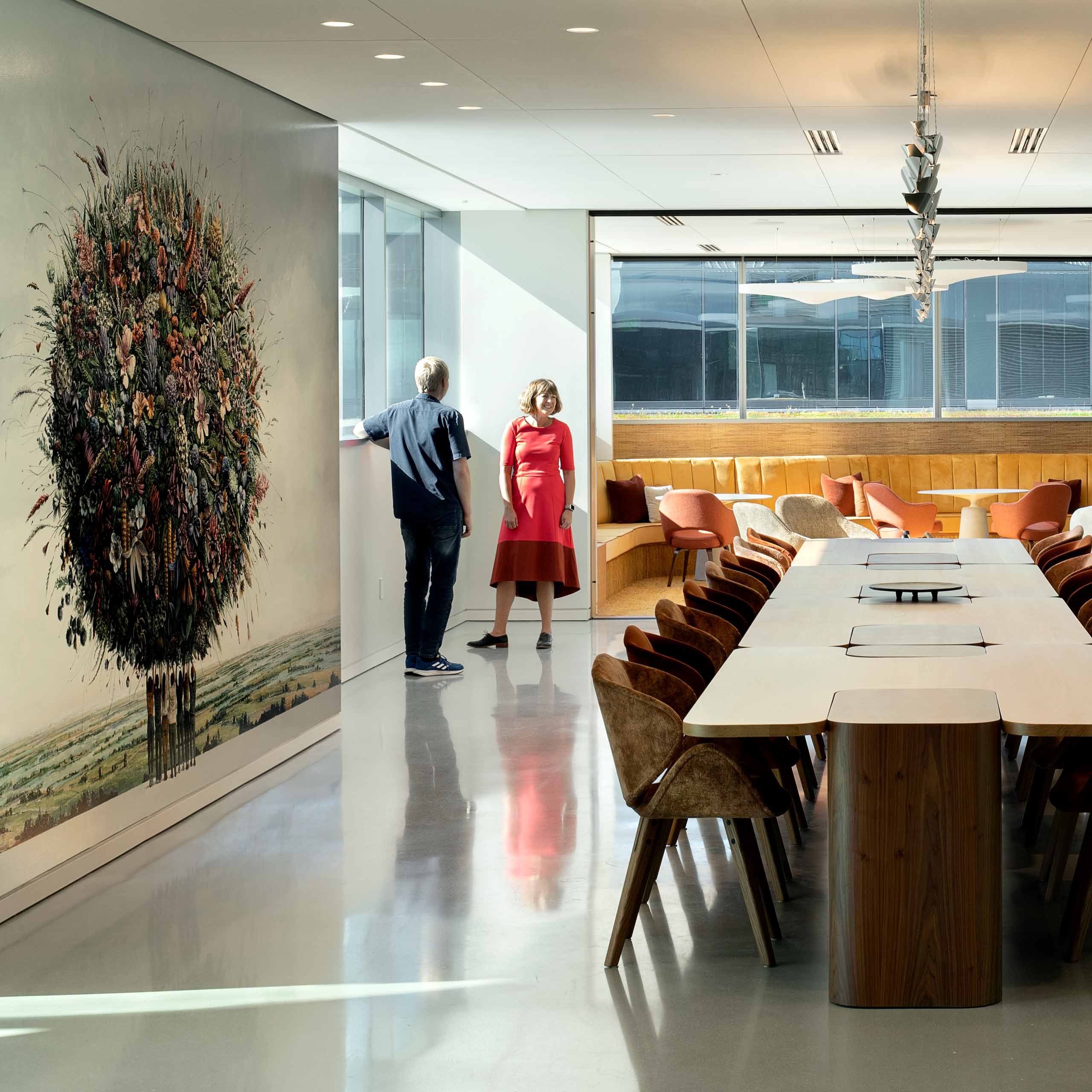
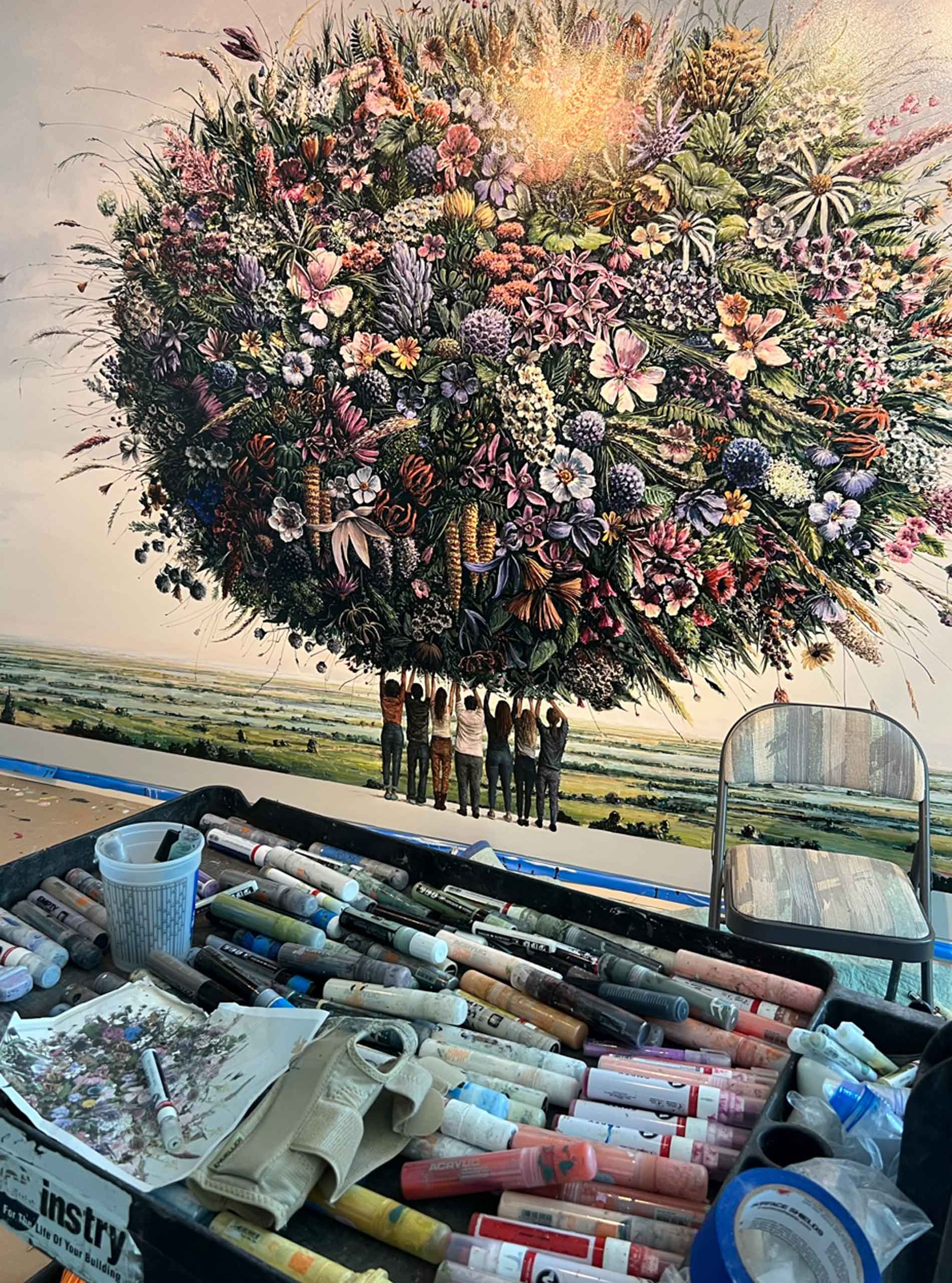
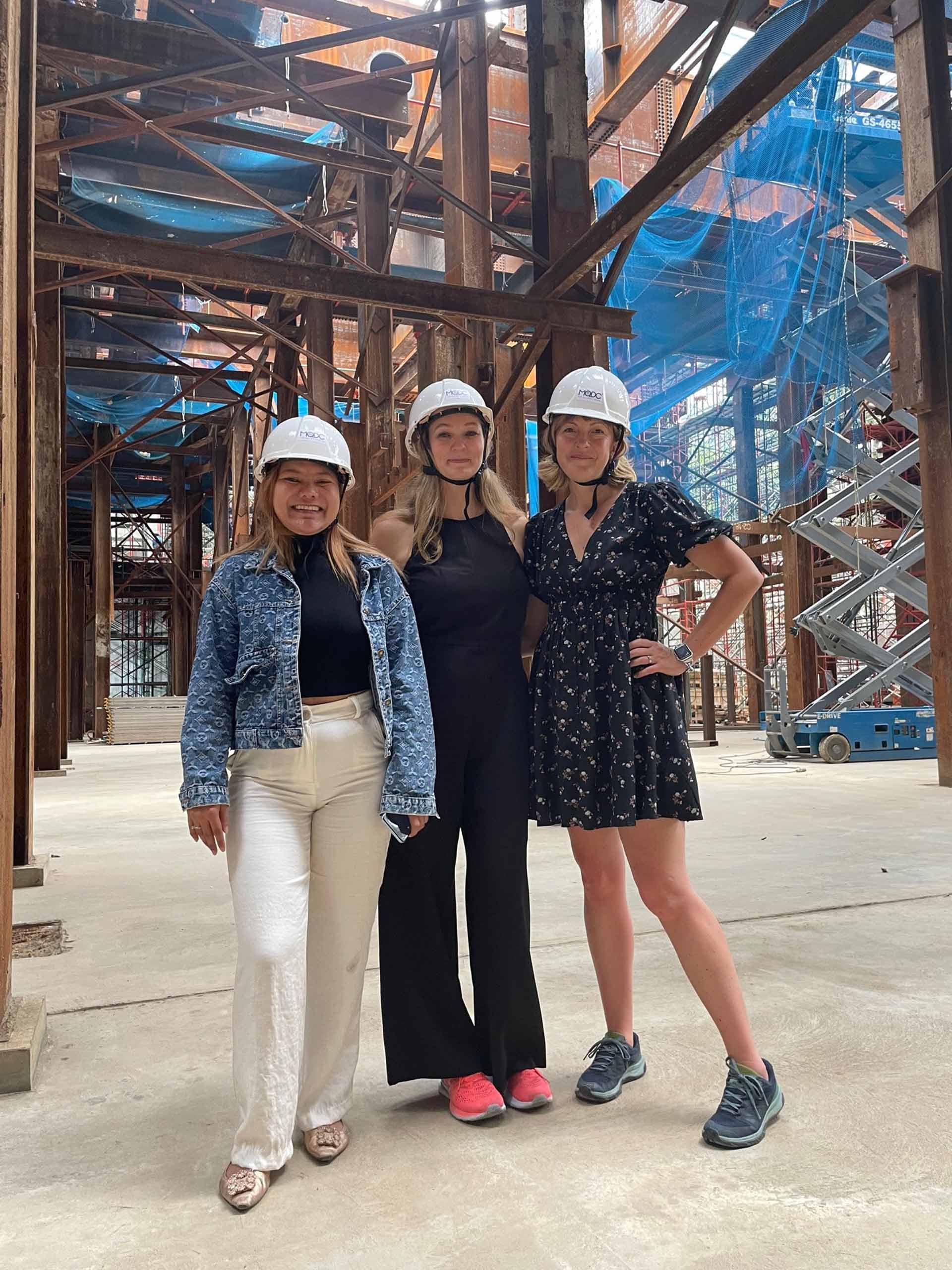
I’m most energized by the people I get to work with in our studios. We have an incredible range of creative minds—some who think tactically and materially, others who are conceptually driven. That diversity creates real energy. Ideas come from everywhere, and there’s such passion in the room. It’s what makes our work feel alive and ever-evolving.
You often talk about joy and playfulness in design. What does that look like in practice?
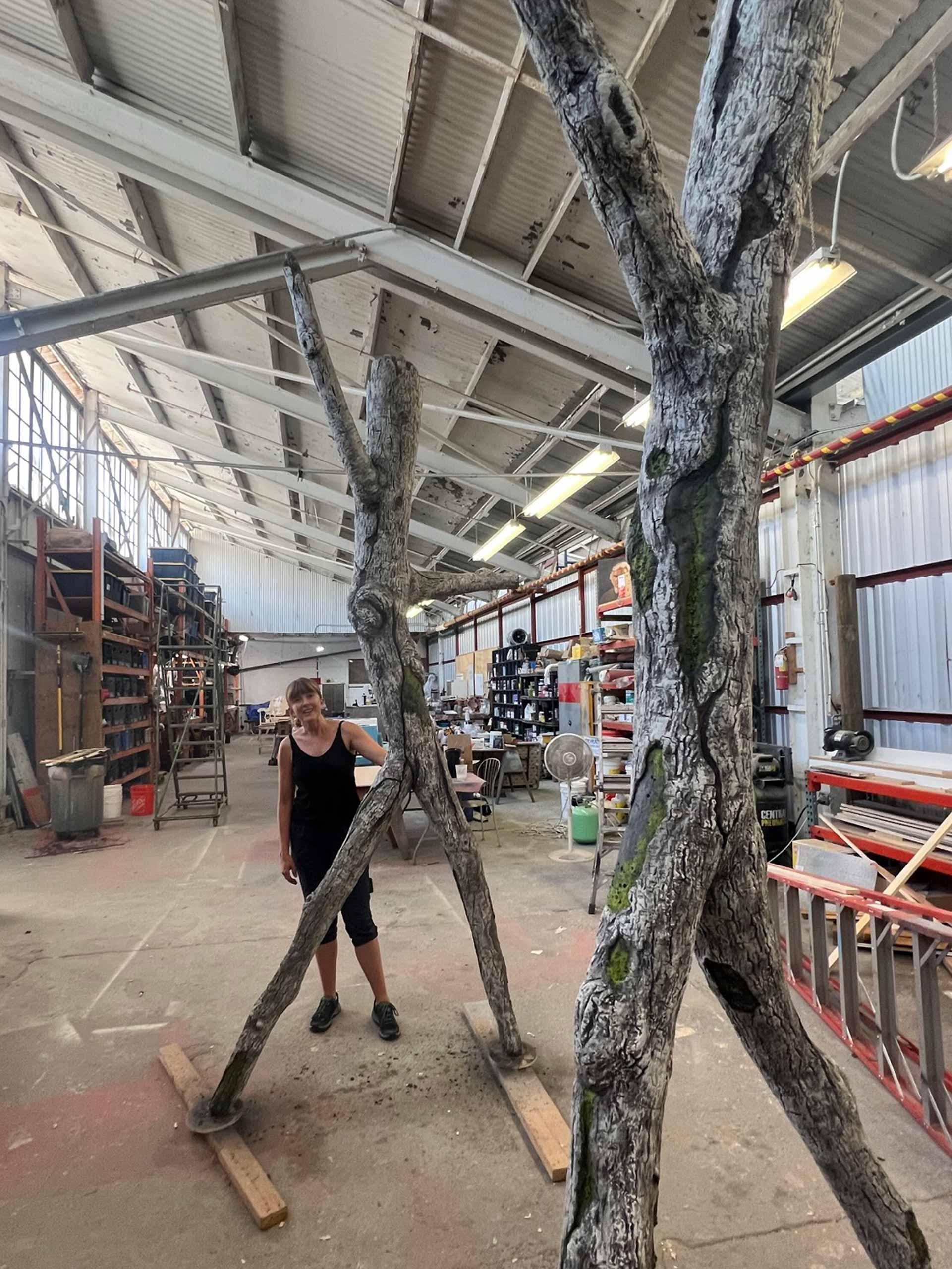
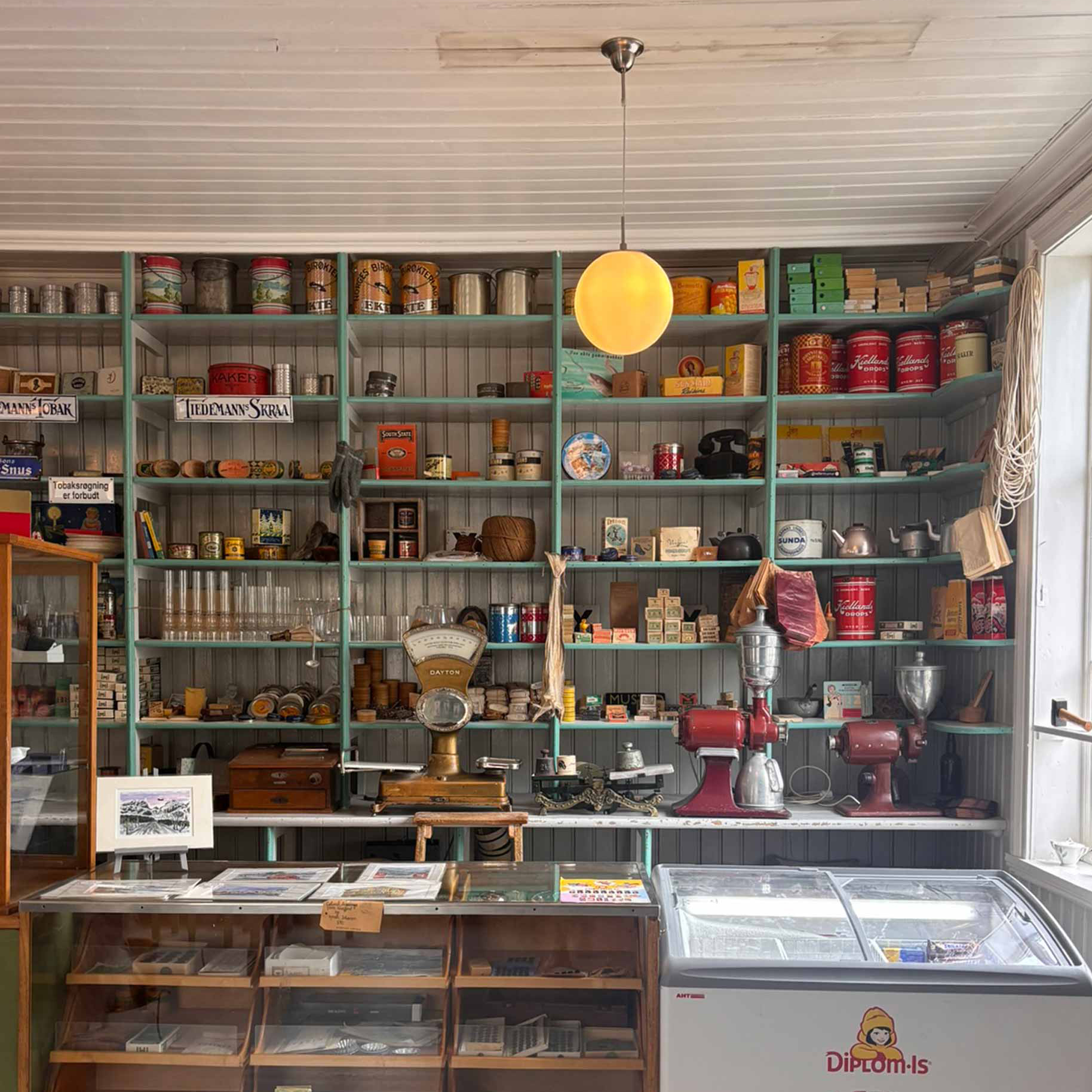
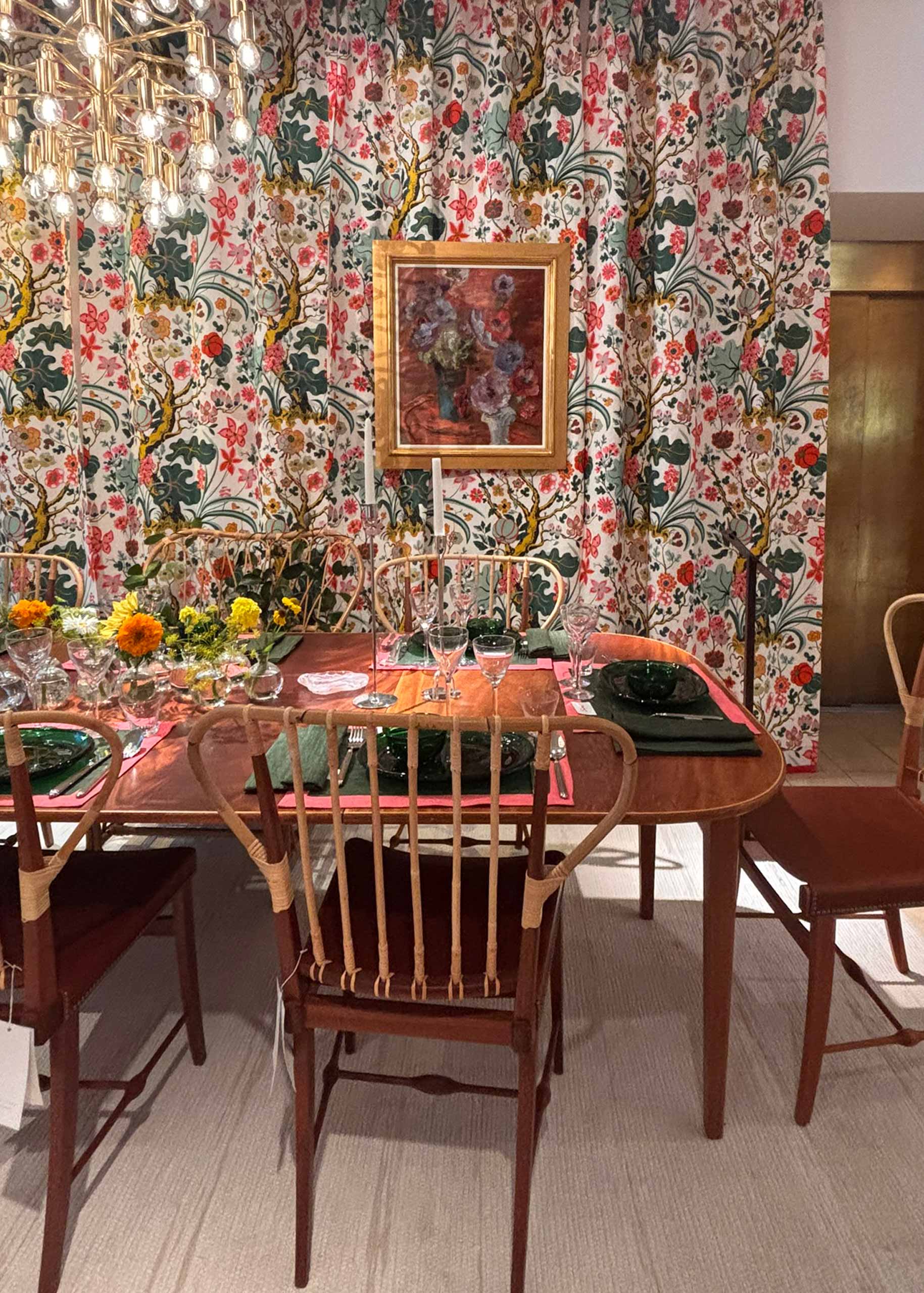
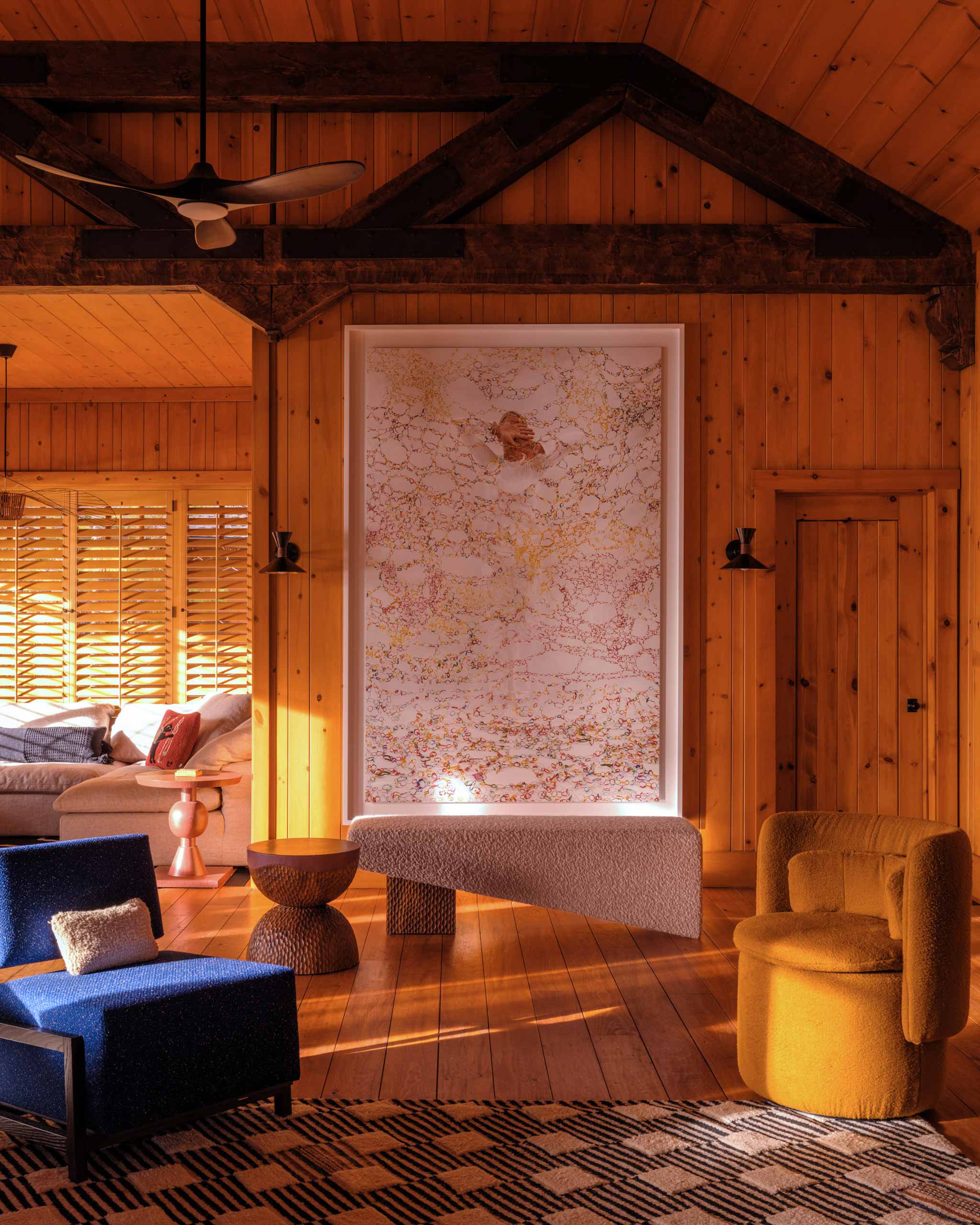
It’s about creating spaces that lift your spirit. When you come home at the end of the day, you should feel joy, whether through a light-filled room, a connection to nature, or an unexpected material choice. It might be a playful pattern in a bathroom or a soft texture on a sofa that makes you smile. Those moments of delight are what makes a home feel personal. Joy isn’t frivolous—it’s essential.
What project is pushing you creatively right now?
We’re reimagining a home originally designed by a revered Los Angeles architect. It’s not historic in the formal sense, but it carries a certain legacy. The challenge is honoring that foundation while bringing something new— respecting the architecture without being overly reverent. It’s been an incredible exercise in balance and sensitivity, and it’s encouraging us to think about what we preserve, what we transform, and how those decisions reflect both the home‘s past and the client’s future.
How do you collaborate with clients to translate their personal story into design?
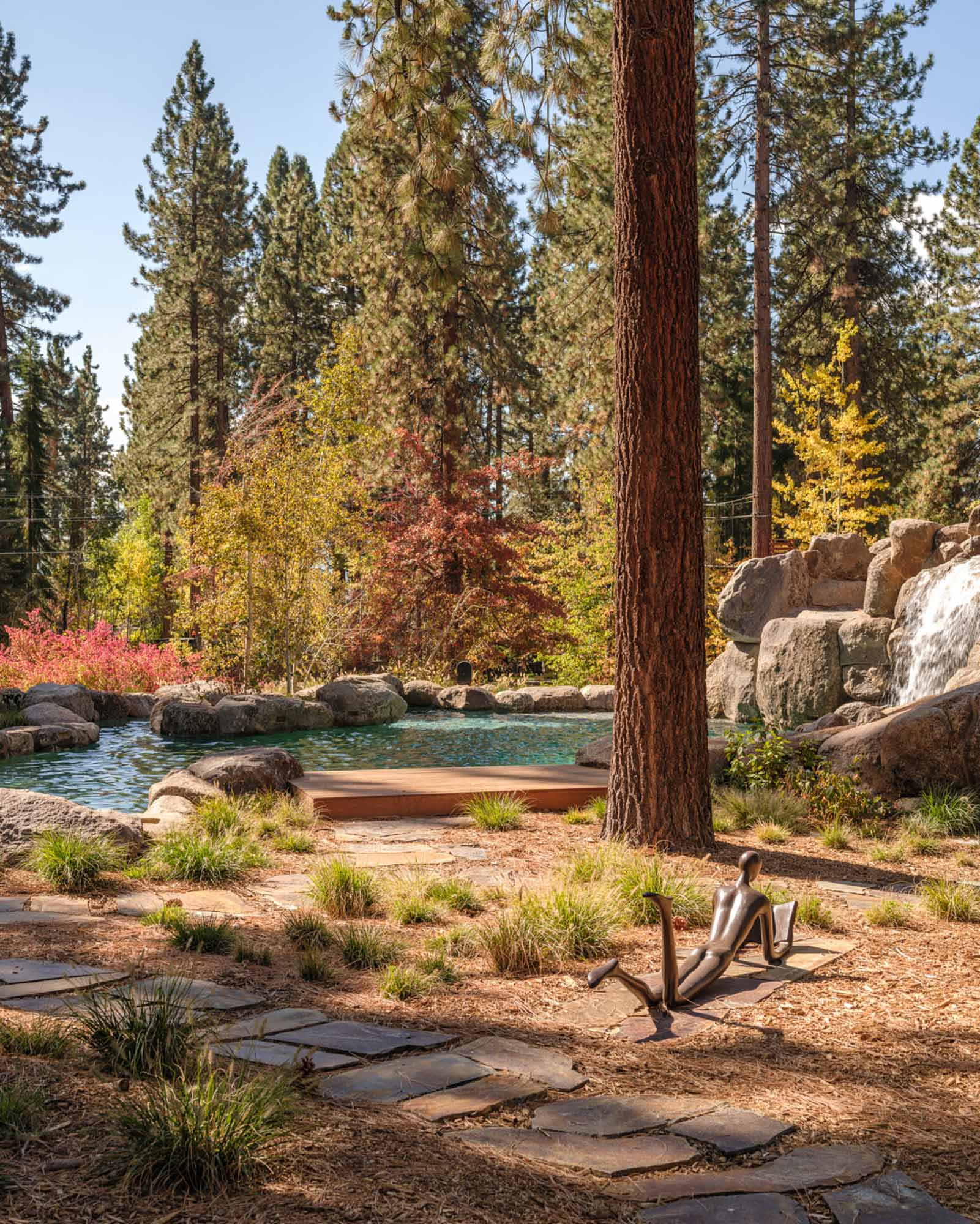
I aim to make the process immersive and conversational. In early meetings, we explore materials, imagery, and 3D visualizations so clients can begin to feel their future home. I encourage them to share what inspires them — a piece of art, a place they’ve stayed, a landscape they love. Those personal cues help us understand not just their taste, but how they want to feel when they’re home. When we translate that emotional connection into architecture, the design becomes a true reflection of who they are.
Where have you seen RIOS’ integrated approach most vividly expressed?
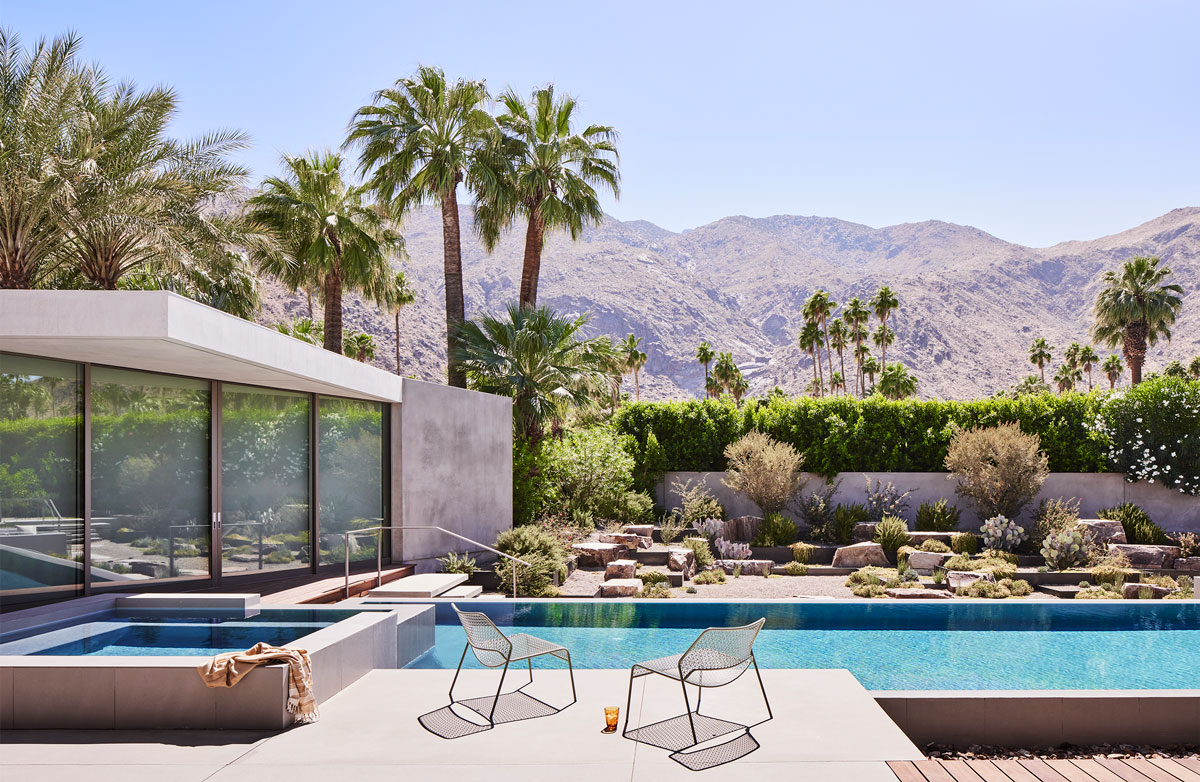
Slot Canyon in Palm Springs is a great example. It’s a ground-up residence that feels as though it’s always belonged in the desert. The architecture, landscape, and interiors are so intertwined that it’s hard to tell where one discipline ends, and the other begins. The tonality, the light, and the materiality capture the essence of its environment. That kind of integration is what we’re always striving for.
What advice would you give someone dreaming of building their ideal home?
Dream big, but also design for your future self. Think about how you want to live, grow, and feel in five or ten years. A home should evolve with you. It’s not just a shelter; it’s a tool for inspiration, rest, and connection.
Also expect the ups and downs—it’s part of the fun! Every project comes with challenges, but your team is there to see it through with you. Construction can be unpredictable, but the collaboration and creativity along the way make the result all the more rewarding. The process is part of the story.
What's next for residential design at RIOS?
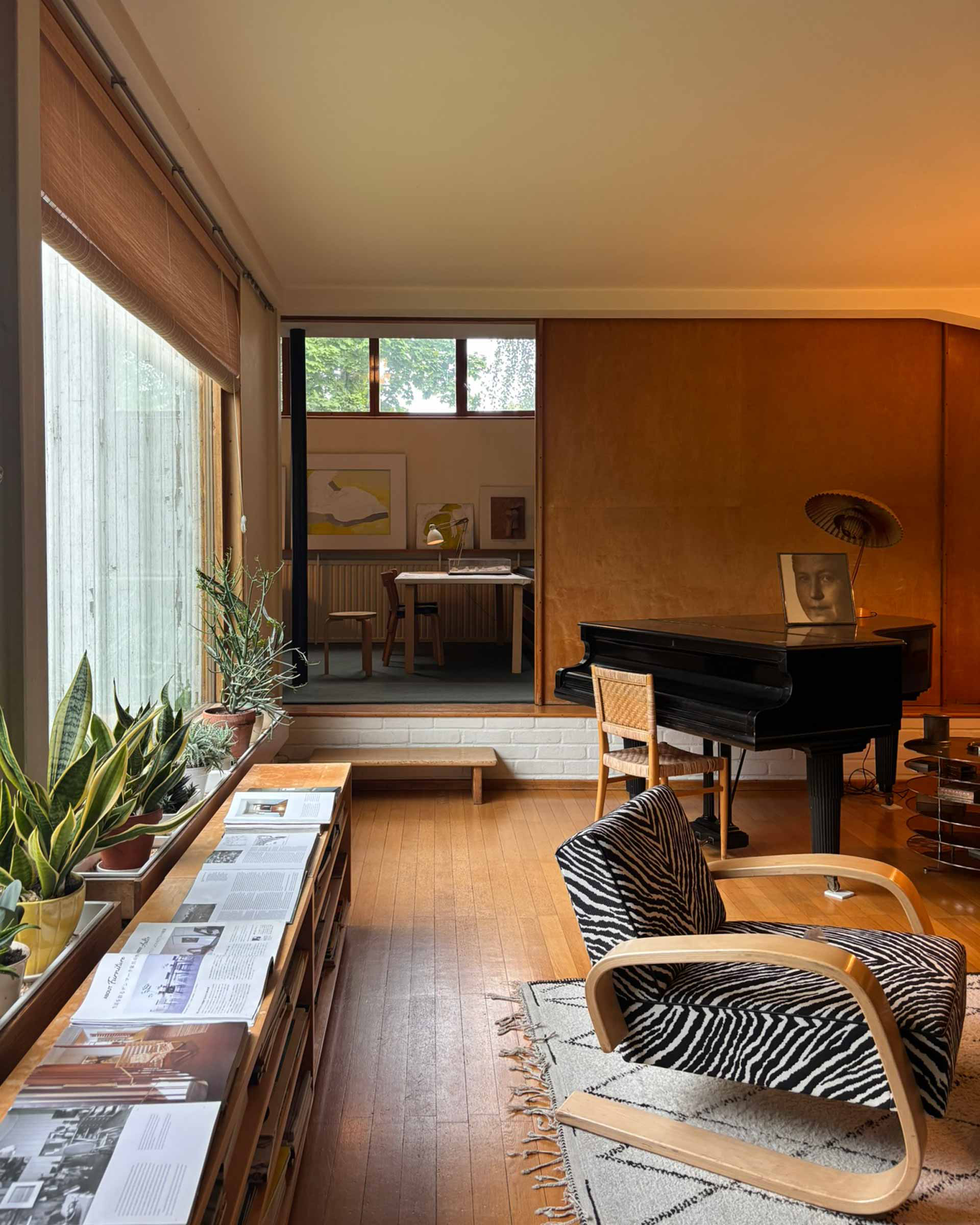
We’re exploring how homes can be more responsive—to climate, to site, to the way people actually live. That means designing for adaptability from the start, thinking about how spaces can transform over decades rather than years. It also means deepening our commitment to craft and materiality, finding ways to make sustainable choices feel luxurious and site-specific rather than prescriptive.
I’m especially excited about how we’re applying lessons from our cultural and hospitality work to residential projects. We understand how to create emotional resonance at scale, and we’re translating that into homes—designing spaces that surprise you, that create moments of wonder in everyday life. The future of RIOS residential is about homes that feel both timeless and unexpected, rooted in place but open to transformation. Architecture that honors where you’ve been and makes space for who you’re becoming.
RIOS has been named to the Forbes 2026 America’s Best-in-State Residential Architects list.
Our approach brings architecture, landscape, and interiors together to shape how a home is lived and experienced. This recognition reflects the care, creativity, and collaboration our teams bring to designing homes for our clients that feel personal and distinctly of their place.
Thank you to @Forbes, and to our clients, collaborators, and teams who continue to shape this work with us.


How do you make a narrow lot feel expansive?
Ocean Breeze House transforms a constrained site near Venice Beach into a sequence of connected spaces that feels both open and private. Inspired by the laid-back beachside lifestyle, the home extends living outdoors.
Swipe to go behind the design.
#venicebeach #homedesign #architecture #behindthedesign

Coastal living with ocean views, soothing sounds, and warm interiors that seamlessly connect with the landscape.
Contractor: @hillconstructioncompany
#oceanside #homedesign #waterfronthomes #architecture #landscapearchitecture

Sunset House - from model to reality.
#homedesign #architecturemodel

Ocean views are the star of this home in an exclusive coastal neighborhood, framed from every room. The landscape extends toward the cliffside, bringing you closer to the water.
Contractor: @hillconstructioncompany
#oceanviews #homedesign #residentialarchitect

Two RIOS residences are featured by @archinect, exploring different expressions of indoor-outdoor living.
Slot Canyon, set at the foothills of the San Jacinto Mountains, is organized as a series of pavilions connected by bridges and arroyos that draw the desert landscape through the home. A floating roof unifies the architecture, framing mountain views and shifting light throughout the day.
Santa Monica House takes a more intimate approach, creating a private retreat centered on family, nature, and wellness. Lush courtyards and mature pines define spaces for gathering, with architecture shaped to keep the landscape continuously in view.

It`s kinda chic to design a home around the things you love.
#kindachic #homedesign

How do you create an indoor-outdoor home in a climate that’s too hot to be outside most of the year?
RIOS Partner Sebastian Salvadó shares the design insights behind Sunset House in Northwest Mexico, where the home’s orientation, shaded microclimates, and captured landscapes keep nature present in every space.
#homedesign #designprocess #hometour #architecture

Loma Vista Residence reimagines the character of an English manor garden that captures the luxury of outdoor living in Los Angeles.
Organized as a series of interconnected garden rooms, the one-acre landscape creates a variety of settings for gathering, retreat, and exploration, united by a rich tapestry of regionally appropriate and native planting. The design transforms the estate into an immersive natural experience that evolves with the seasons.
#estate #landscapearchitecture
